Learning the names of vegetables in English is a fun and essential way to expand your vocabulary, especially if you’re a food lover or learning the language for everyday use. This guide, “100 Vegetable Names in English with Pictures,” is designed to make the process engaging and memorable.
50 Vegetables Names in English
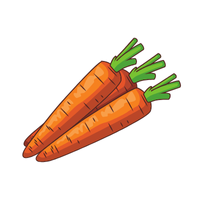
Carrot: Crunchy, orange root rich in beta-carotene, fiber, and antioxidants, promoting eye health. Eaten raw, roasted, or in stews.
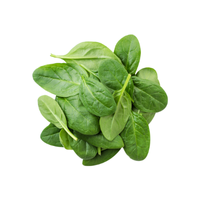
Spinach: Leafy green rich in iron, calcium, and vitamins A and C, commonly added to salads, smoothies, and sautés.
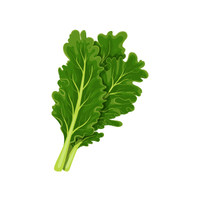
Kale: Nutrient-dense leafy green high in vitamins A, C, and K, often used in salads, smoothies, or as crispy chips.
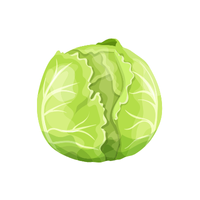
Cabbage: Crispy, peppery-flavored leafy vegetable used in salads, stir-fries, or fermented foods like sauerkraut and kimchi.
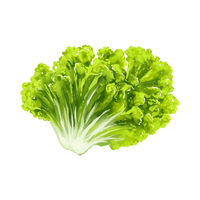
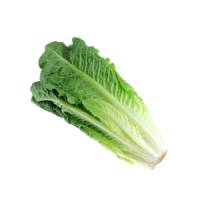
Lettuce: Low-calorie leafy green used in salads, sandwiches, and wraps, offering hydration and mild flavor in various textures.
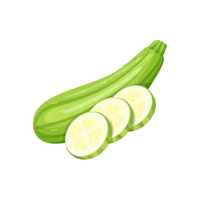
Zucchini: Summer squash with mild flavor and tender texture, often grilled, stir-fried, or used as a pasta alternative.
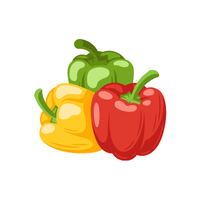
Bell Pepper: Sweet, colorful peppers high in vitamin C, commonly eaten raw, stir-fried, or in salads and stuffed dishes.
Onion: Flavorful root vegetable used as a flavor base in many cuisines, sharp when raw, sweet when cooked.

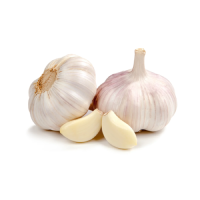
Garlic: Aromatic bulb with antimicrobial properties, adding depth to sauces, roasted vegetables, or sautéed dishes.
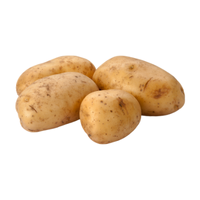
Potato: Starchy tuber high in potassium, prepared baked, mashed, fried, or boiled; a dietary staple worldwide.
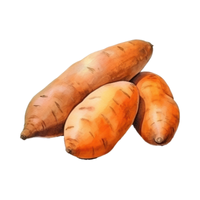
Sweet Potato: Similar to potatoes but sweeter, with more fiber and beta-carotene. Baked, roasted, or added to savory or sweet dishes.
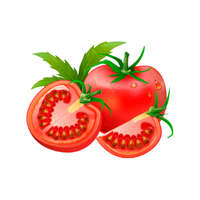
Tomato: Juicy, tangy fruit used as a vegetable, high in vitamin C. Essential in sauces, salads, and global cuisines.
Eggplant: Spongy vegetable that absorbs flavors well. Used in grilling, roasting, curries, and casseroles.

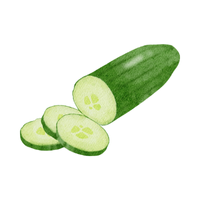
Cucumber: Hydrating, mild-tasting vegetable commonly used in salads or pickled. Refreshing and high in water content.
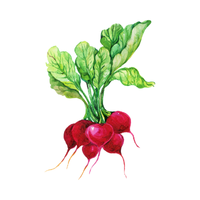
Radish: Small, peppery root vegetable with a crunchy texture, adding zest to salads or garnishes.
Broccoli: Nutrient-rich cruciferous vegetable high in vitamins C, K, and fiber. Commonly steamed, roasted, or added to casseroles.

Celery: Crisp, hydrating vegetable commonly used raw in snacks or as a flavor base in soups and stews.

Asparagus: Spring vegetable with slightly sweet flavor, often grilled, roasted, or steamed. High in fiber and vitamins.

Beetroot: Earthy root vegetable high in folate and fiber, commonly roasted, juiced, or added to salads.

60 Vegetable Names In English With Pictures

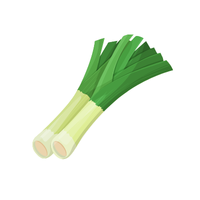
Leek: Mild-flavored member of the onion family, often used in soups, stews, and stir-fries for a subtle onion taste.
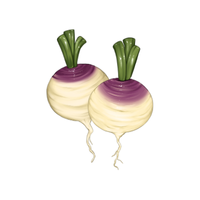
Turnip: Root vegetable with a slightly bitter taste, usually roasted, mashed, or added to stews.
Cauliflower: Mild-flavored cruciferous vegetable often used as a low-carb substitute for rice, mash, or even pizza crust.
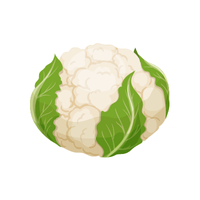
Parsnip: Sweet, nutty root vegetable similar to carrots, used in roasting, mashes, or soups.
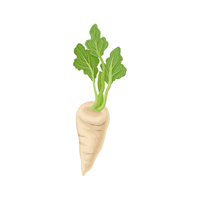
Brussels Sprouts: Small, cabbage-like vegetable with a mild, slightly bitter flavor, commonly roasted or steamed.

Green Bean: Long, crunchy pods high in fiber and vitamins, often steamed, sautéed, or used in salads.

Okra: Slimy-textured vegetable known for thickening soups and stews, commonly used in Southern and Asian cuisines.

Peas: Sweet, tender green vegetable often eaten fresh, cooked, or pureed in various dishes.

Pumpkin: Large, orange winter squash, typically roasted or pureed for soups, pies, and savory dishes.

Butternut Squash: Sweet, nutty-flavored squash often roasted or pureed for soups, stews, or pasta dishes.

Acorn Squash: Small, ribbed winter squash with a sweet flavor, often roasted or stuffed.

Bok Choy: Asian green with crisp stalks and tender leaves, used in stir-fries, soups, or steamed.

Collard Greens: Hearty, leafy green often boiled or sautéed, popular in Southern cooking.

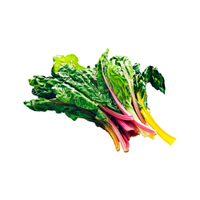
Swiss Chard: Colorful leafy green high in vitamins K and C, commonly used in sautés and soups.
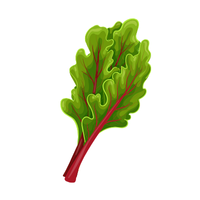
Endive: Slightly bitter leafy green often used in salads or as a crunchy vegetable dip.
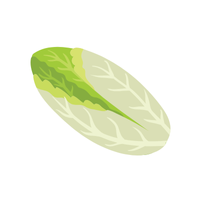
Artichoke: Thistle plant with edible, tender leaves and heart, often steamed or roasted and served with dips.

Rutabaga: Root vegetable with mild sweetness, often used in mashes, soups, or stews.

Fennel: Bulbous vegetable with a licorice flavor, used raw in salads or cooked for a milder taste.
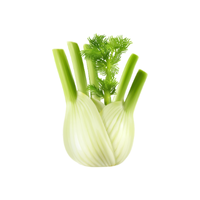
Kohlrabi: Crunchy, mild vegetable with a flavor like cabbage, eaten raw or cooked in salads or stews.

Vegetable Names In English
Mustard Greens: Spicy, leafy green often used in Southern or Asian dishes, cooked in stews or sautéed.

Watercress: Peppery, leafy green rich in vitamins, commonly used in salads, sandwiches, or soups.

Cassava: Starchy root used as a carbohydrate staple, often boiled or made into flour.

Taro: Nutty, starchy root vegetable, often boiled, mashed, or used in stews.
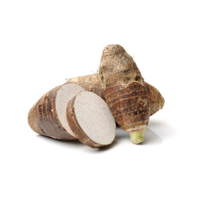
Yam: Starchy root similar to sweet potatoes, often boiled, roasted, or fried.

Jerusalem Artichoke: Nutty, tuberous root often roasted or used in soups for a mild flavor.

Bamboo Shoots: Crunchy, mild-tasting shoots used in Asian dishes like stir-fries and soups.
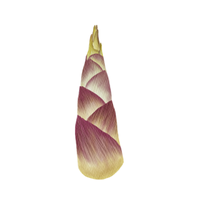
Chayote: Mild-flavored squash often steamed, sautéed, or used in stews, common in Latin American cuisine.
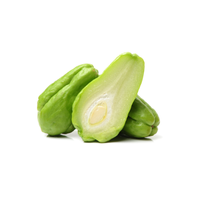
Horseradish: Spicy root used grated as a condiment, commonly in sauces and dressings.

Celeriac: Knobby root vegetable with a mild celery flavor, often mashed, roasted, or used in soups.

Arugula: Peppery leafy green used in salads, sandwiches, or as a pizza topping.

Snow Peas: Flat, tender pea pods used in stir-fries, salads, or eaten fresh.

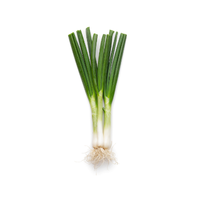
Scallion: Mild green onion often used as a garnish or flavor enhancer in various dishes.
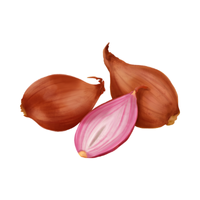
Shallot: Mild, sweet member of the onion family, used in sauces, dressings, and sautés.
List of 40 Vegetables in English
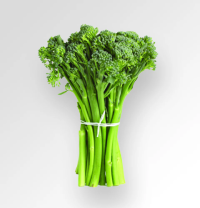
Broccolini: Hybrid of broccoli and Chinese broccoli with tender stems, commonly grilled or steamed.
Purslane: Succulent with a slightly sour flavor, often used in salads and for its omega-3 content.

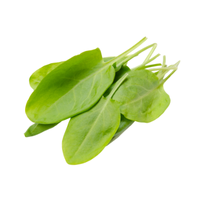
Sorrel: Leafy green with a sour, lemony flavor, commonly used in salads, soups, and sauces.
Ginger: Root spice with a pungent, spicy flavor, used in teas, sauces, and marinades.

Turmeric: A bright yellow root with a warm, earthy flavor and anti-inflammatory properties. Used as a spice in curries, teas, and sauces.

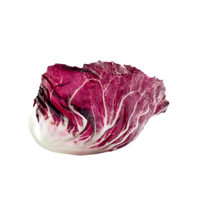
Radicchio: Bitter, purple-red leafy vegetable with a crisp texture, commonly added to salads for a colorful, slightly spicy touch.
Tatsoi: Asian green with a mild mustard flavor, used in salads, stir-fries, or as a spinach substitute.
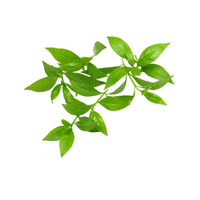
Chicory: Bitter, leafy green often used in salads, known for its slightly nutty, earthy flavor and high fiber content.
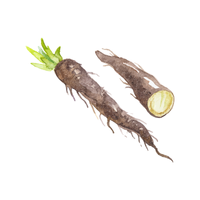
Bitter Melon: Gourd with a distinct bitter taste, commonly used in Asian and Indian cuisines and believed to aid blood sugar regulation.
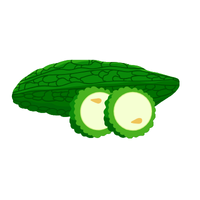
Escarole: Leafy green with a mild bitter flavor, often used in salads and Italian soups like minestrone.

Galangal: Similar to ginger with a more citrusy flavor, often used in Thai and Southeast Asian cooking.

Jícama: Crunchy, mildly sweet root vegetable commonly eaten raw in salads or as a snack, popular in Mexican cuisine.

Kangkong: Also known as water spinach, a leafy green with tender stems, commonly stir-fried in Southeast Asian dishes.

Napa Cabbage: Mild, sweet cabbage with soft leaves, often used in kimchi, stir-fries, and salads.
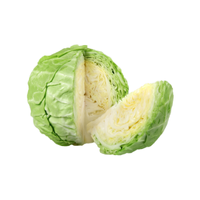
Chard: Green leafy vegetable with a mild, earthy flavor, often sautéed or used in stews and gratins.
Fenugreek Leaves: Aromatic, slightly bitter leaves used in Indian cooking, known for their distinct flavor and medicinal properties.

Roman Lettuce: Crisp, dark green lettuce with a mild, sweet flavor, often used in Caesar salads.
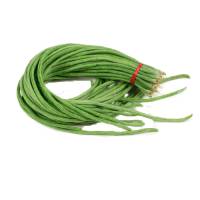
Yardlong Bean: Long, slender bean used in stir-fries, curries, and salads, popular in Asian cuisine.